
Why Does a Concrete Pump Lose Pressure?
An expert engineering Q&A manual detailing why concrete boom pumps experience sudden hydraulic pressure drops and how to restore system limits.

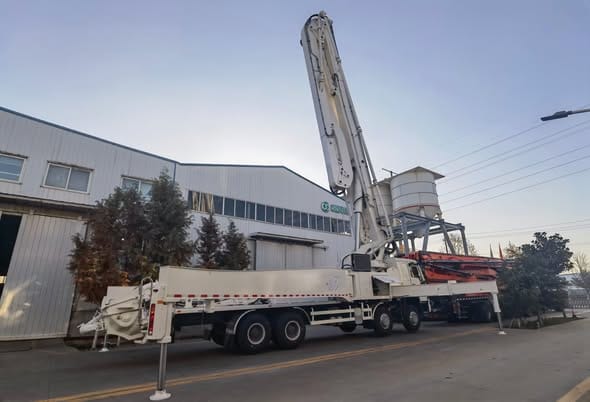
Hydraulic Failure Causes & Engineering Fix Guide
Concrete pump pressure loss is one of the most common operational failures in construction pumping systems. It directly affects pumping efficiency, delays concrete placement schedules, and increases equipment maintenance costs.
In modern boom and trailer concrete pumps, hydraulic pressure typically operates between 28–32 MPa (280–320 bar). When pressure drops below this range, the system cannot maintain stable concrete delivery through pipelines.
Understanding the root causes is essential for reducing downtime and improving equipment lifecycle performance.
1. What Happens When a Concrete Pump Loses Pressure?
When hydraulic pressure becomes unstable or falls below the operating threshold, the following issues typically occur:
- Reduced concrete flow rate
- Pipeline blockage risk increases
- Boom or valve switching delay
- Excessive wear on piston seals and hydraulic components
- Increased fuel consumption due to inefficiency
In most cases, pressure loss is not caused by a single failure, but by multiple system-level issues working together.
2. Main Causes of Concrete Pump Pressure Loss
2.1 Piston Seal Wear (Most Common Failure Point)
Concrete pumps rely on polyurethane piston cups inside hardened steel cylinders.
Why it fails:
Concrete contains abrasive materials such as sand, gravel, and cement particles. Over time, these materials erode the sealing surface of the piston cups.
What happens next:
Once sealing efficiency drops, slurry leaks backward into the water box, reducing forward hydraulic force.
Key symptoms:
- Slurry contamination in water box
- Weak or uneven pumping strokes
- Gradual pressure drop during operation
2.2 Hydraulic Relief Valve Internal Leakage
The main relief valve controls maximum hydraulic system pressure.
Why it fails:
Continuous high-load operation causes internal wear on valve seats and spring fatigue.
What happens next:
Hydraulic oil bypasses internally instead of being directed to the material cylinders.
Key symptoms:
- System cannot reach rated pressure
- Constant low-pressure reading under load
- Reduced pumping force
2.3 Suction Filter Blockage & Pump Cavitation
The hydraulic pump depends on clean oil flow from the reservoir.
Why it fails:
Oil contamination and metal particles gradually block the suction filter.
What happens next:
The pump experiences cavitation — air bubbles form inside the hydraulic fluid, damaging internal components.
Key symptoms:
- Loud pump noise or vibration
- Unstable hydraulic pressure
- Permanent drop in pump efficiency
2.4 Accumulator Nitrogen Pressure Loss
The accumulator provides energy support for fast valve switching (especially S-valve systems).
Why it fails:
Nitrogen gas slowly leaks through the bladder over time.
What happens next:
Reduced energy storage capacity leads to slow or incomplete valve switching.
Key symptoms:
- Delayed valve response
- Reduced system stability
- Irregular pressure fluctuations
3. Technical Operating Pressure Benchmarks
| Component | Normal Range | Failure Threshold | Diagnostic Method |
|---|---|---|---|
| Main hydraulic pressure | 28–32 MPa | < 22 MPa | Pressure gauge test |
| Accumulator pressure | 15–18 MPa | < 12 MPa | Gas charging kit |
| Nitrogen pre-charge | 8.5–10 MPa | < 6.5 MPa | Pressure tester |
| Hydraulic oil cleanliness | ISO 16/13/11 | > ISO 20/17/14 | Particle analysis |
| Water box condition | Clean water | Slurry contamination | Visual inspection |
4. Step-by-Step Troubleshooting Guide
Step 1: Safe Shutdown Procedure
Before inspection:
- Stop engine and isolate PTO system
- Engage emergency stop switch
- Release hydraulic pressure safely
- Apply full Lockout-Tagout (LOTO) procedure
Step 2: Inspect Piston System
If pressure is unstable:
- Open water box inspection cover
- Check for slurry leakage
- If contamination is present, piston seals are likely damaged
- Replace polyurethane piston cups if necessary
👉 This is the most common repair in field operations.
Step 3: Test Relief Valve Performance
If piston system is normal:
- Connect pressure gauge to test port
- Run system under controlled load
- Check maximum pressure output
If pressure cannot reach specification:
- Adjust main relief valve gradually
- Recalibrate to rated system pressure (typically 32 MPa)
Step 4: Check Accumulator Pressure
- Measure nitrogen pre-charge
- Refill if below standard range
- Replace bladder if leakage continues
5. Cost Impact of Ignoring Pressure Loss
Ignoring early-stage pressure loss can lead to:
- Hydraulic pump failure (high replacement cost)
- Cylinder and seal damage
- Unexpected construction downtime
- Increased fuel consumption
- Pipeline blockage emergencies
In large-scale construction projects, even one hour of downtime can result in significant financial loss.
6. Preventive Maintenance Recommendations
To improve long-term system reliability:
- Replace piston seals at scheduled intervals
- Maintain hydraulic oil cleanliness (ISO standard compliance)
- Monitor accumulator pressure monthly
- Avoid continuous operation near relief valve limit
- Install real-time pressure monitoring system
7. Frequently Asked Questions
Why does my concrete pump lose pressure suddenly?
Most sudden pressure losses are caused by piston seal failure or relief valve internal leakage. These issues directly reduce hydraulic force transmission.
What is the normal pressure for a concrete pump?
Most hydraulic concrete pumps operate between 28–32 MPa, depending on model and application.
Can hydraulic oil contamination cause pressure loss?
Yes. Contaminated oil leads to suction blockage, cavitation, and pump wear, all of which reduce system pressure.
How often should accumulator nitrogen be checked?
In industrial operation, accumulator pressure should be checked at least once per month.
Request Technical Blueprints & Factory Quotes
Submit your machinery parameters below. Connect directly with verified, certified heavy industrial manufacturers to receive custom foundation drawings, layout schematics, and direct-from-factory pricing.